
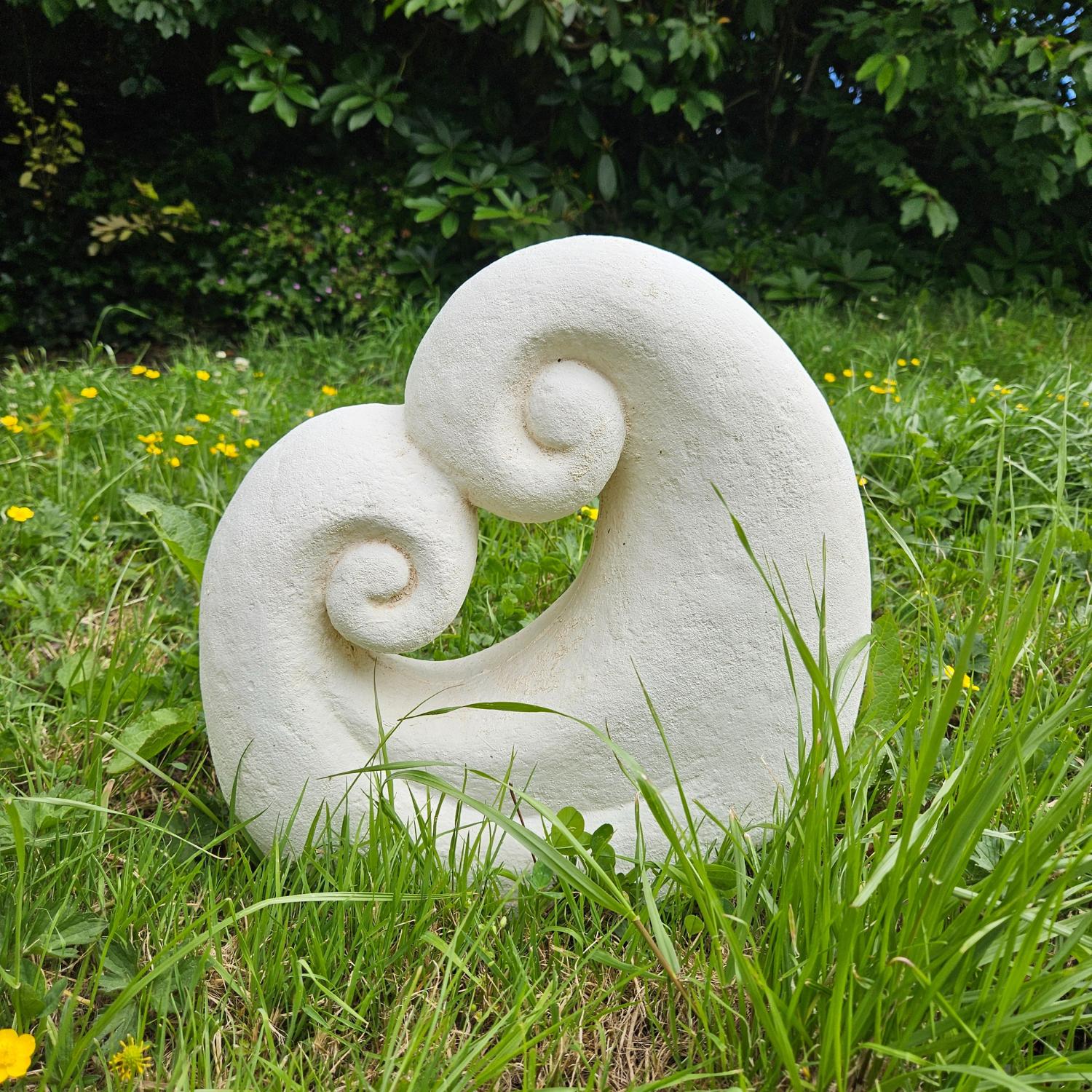
New Zealand gardens experience a wide range of conditions: salt air, frost, wind, intense sun, and the materials you choose must stand up to all of it. One of the most reliable ways to add style, structure, and personality to a garden is with concrete ornaments. They offer durability, visual interest, and timeless character that suit both modern and traditional landscapes.
Precast Concrete Dunedin supplies a collection of concrete garden ornaments right here in the South Island. From statues to planters, bird baths to lanterns, these pieces help homeowners create focal points, enhance planting, and build a garden that feels complete.
This guide explains how to use concrete ornaments effectively, where to place them for the best visual impact, and how different types of ornaments can support your garden design.
Why Concrete Ornaments Work Well in New Zealand Gardens
Built for Southern Weather Conditions
Concrete is one of the most dependable materials for outdoor landscaping in NZ because it can withstand:
- Frost
- Strong sun
- Coastal winds
- Heavy rain
- High UV exposure
This makes concrete a smarter choice than metal (which may rust), wood (which can warp or rot), or lightweight resin (prone to tipping in wind).
A Timeless, Natural Look
Concrete has a neutral, stone-like finish that blends beautifully with planting. It suits:
- Native gardens
- Cottage and heritage gardens
- Modern minimalist landscapes
- Coastal or rocky environments
- Small urban courtyards
Because it develops a natural patina over time, concrete ornaments often look better the longer they are in the garden.
Low Maintenance
Most pieces require only occasional cleaning. They don’t need repainting, sealing, or weatherproofing, ideal for busy homeowners who still want a polished garden.
Principles of Good Design for Concrete Ornaments
Many people buy a beautiful ornament and then are unsure where to place it. The goal is not simply to “add” a piece to the garden, it’s to allow it to shape the space. Here are the core design principles landscape professionals follow.
1. Use Ornaments to Create Strong Focal Points
Every garden benefits from one or two clear visual anchors. Concrete ornaments provide this naturally because of their solid form and presence.
Great places to set a focal point:
- At the end of a path
- Opposite a window for year-round viewing
- In the centre of a circular or square bed
- In a quiet corner that needs definition
- Near a front door or gate to set the tone
A lantern, bird bath, sculpture, or tall planter works extremely well as a focal point. You don’t need a large garden, small courtyards especially benefit from one strong, intentional feature.
2. Strengthen Garden Structure With Ornaments
Ornaments can emphasise the shape of your garden. Use them to support your layout.
Examples:
- Place two urns on each side of steps or a walkway
- Position a lantern to mark the start of a gravel path
- Use a tall raincatcher or planter to add vertical structure
- Add a small statue at the curve of a garden bed to highlight its shape
Precast’s range includes both tall features and low-lying elements, allowing you to reinforce structure at different heights.
3. Integrate Ornaments Into Planting
One of the most common mistakes is placing ornaments in empty spaces. Concrete looks best when softened and surrounded by plants.
To integrate concrete naturally:
- Nestle statues among grasses, ferns, or low laying shrubs
- Position bird baths within beds, not alone in the middle of a lawn
- Add concrete mushrooms or small decorative pieces under trees
- Surround planters with groundcovers so they feel anchored
Whether the ornament is playful (like mushrooms) or sculptural (like a koru design), it should feel like part of the garden’s ecosystem.
4. Balance Height and Scale
A well-designed garden has variety in levels: groundcovers, mid-height shrubs, and taller structural plants. Ornaments should support this rhythm.
Tips for balancing height:
- Use lanterns or tall planters where the garden feels flat
- Add medium-height features near entertaining areas
- Place small ornaments at ground level for subtle charm
- Match the ornament’s size to the space. A huge statue may overwhelm a small courtyard, while a tiny ornament will disappear in a large lawn.
5. Create Moments, Not Clutter
A garden should unfold in small “moments”, surprises, restful corners, or curated viewpoints. Concrete ornaments can define these moments.
Example ideas:
- A shaded corner becomes peaceful with a small statue and ferns
- A sunny patio feels more considered with a decorative planter
- A pathway becomes more intentional with a lantern at one end
- Under trees, mushrooms create a whimsical woodland touch
Choose one feature per moment and allow the plants to support it, not multiple competing pieces.
6. Use Planters as Architectural Elements
Concrete planters are not just containers, they act like small architectural structures in the garden.
Use them to:
- Frame entrances or gateways
- Add height to decks or patios
- Divide outdoor living zones
- Introduce greenery where in-ground planting is limited
Precast’s rustic, contemporary, and decorative planters suit a wide range of homes, from heritage villas to new builds.
7. Incorporate Wildlife-Friendly Features
Bird baths are both beautiful and practical. They bring movement and life into your garden, especially in urban areas.
Best placement:
- In partial shade
- Visible from indoor windows
- Surrounded by soft greenery
- Away from dense cover where predators could hide
A bird bath can act as the centrepiece of a planting bed or stand alone as a sculptural element.
8. Let Concrete Age Gracefully
Concrete becomes more characterful over time as it develops natural colour variation and subtle moss or lichen growth. This ageing process helps ornaments blend into the landscape. Precast’s pieces are designed to weather beautifully, especially in the cooler southern climate.
Avoid over-cleaning, patina is part of the charm.
Choosing the Right Style for Your NZ Garden
Different landscapes benefit from different types of ornaments, so it’s important to match the style of your concrete features to the personality of your garden. In native and NZ-inspired gardens, simple, organic shapes work best alongside cabbage trees, flax, carex, and ferns, making koru sculptures, subtle bird baths, and understated lanterns particularly effective. Modern and architectural gardens suit clean lines and strong geometry, where stacked lanterns, tall contemporary planters, and sculptural pieces help create a structured look.
Cottage and traditional gardens pair beautifully with softer, more charming ornaments such as decorative planters, bird figures, mushroom trios, and classic urns, which complement roses, lavender, hydrangeas, and herbs. In coastal or rocky environments, solid concrete features perform well against wind and salt air; planters, simple statues, and low sculptural forms placed among rocks offer stability and character. For small urban courtyards, it’s best to choose one strong feature rather than several smaller items; often a single bird bath, a statement planter, or a lantern is enough to give the space identity without overwhelming it.
Locally Made, Durable and Designed for South Island Conditions
Precast Concrete Dunedin produces garden ornaments that are:
- Made in Dunedin
- Built from durable, high-quality wet-cast concrete
- Designed to withstand frost, wind and sun
- Suitable for any garden style
- Available in a range of playful, decorative and sculptural forms
Because everything is made locally, customers can view the pieces in person, assess their scale, and feel confident about how they will look in their garden.
Our concrete garden ornaments bring structure, personality, and long-lasting beauty to outdoor spaces across the South Island. Whether you’re refreshing a single corner or redesigning your whole garden, the right ornament, placed with intention, can transform your landscape.